Japan is taking a major and controversial step today as it prepares to restart the world’s largest nuclear power plant for the first time since the 2011 Fukushima nuclear disaster. The Kashiwazaki-Kariwa nuclear facility, operated by Tokyo Electric Power Company (TEPCO), is set to resume operations after receiving final approval, despite strong resistance from local residents and lingering safety fears.
Located in Niigata province along the Sea of Japan coast, the plant’s restart was approved last month by the provincial governor. However, the decision has split public opinion. Surveys show that nearly 60 percent of residents oppose the move, while just over a third support it.
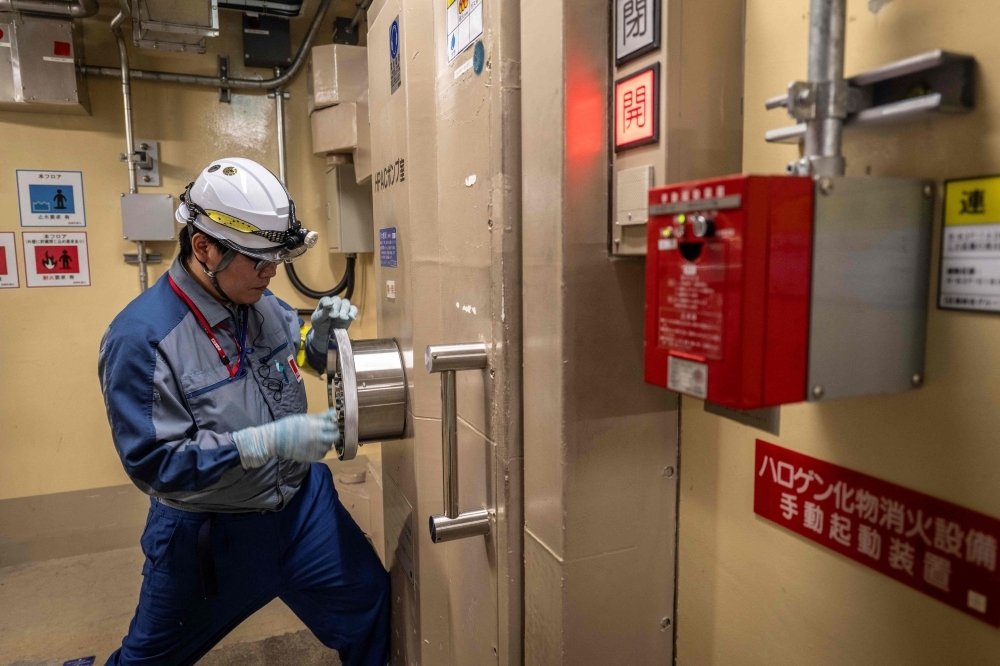
TEPCO confirmed that after receiving the final clearance, preparations were underway to remove the control rods later today, officially starting the reactor. Only one of the plant’s seven reactors will be restarted for now, though the complex remains the largest in the world in terms of potential output.
Outside the plant, protests continue. In freezing weather, a small group of mostly elderly demonstrators gathered near the entrance, voicing frustration and fear. Many locals question why their region should bear the risk when most of the electricity generated is sent to Tokyo. For them, the logic feels unfair and deeply personal.
The Kashiwazaki-Kariwa plant was shut down after the devastating 2011 earthquake and tsunami that triggered meltdowns at the Fukushima Daiichi nuclear plant, killing around 18,000 people and reshaping Japan’s energy policy. For years, nuclear power was largely sidelined. Now, resource-poor Japan is reversing course, seeking to reduce dependence on imported fossil fuels, meet carbon neutrality goals by 2050, and support rising energy demand driven by artificial intelligence and digital infrastructure.
Prime Minister Sanae Takaichi has openly backed nuclear energy, and since Fukushima, 14 reactors across Japan have been approved for restart under stricter safety regulations. Still, Kashiwazaki-Kariwa marks a particularly sensitive milestone. It will be the first nuclear reactor restarted by TEPCO since the disaster, a fact that continues to fuel public distrust.
Residents point to the plant’s location on an active seismic fault line, past cover-up scandals, and evacuation plans they believe are unrealistic in an emergency. Although TEPCO has installed major safety upgrades, including a 15-meter tsunami wall and elevated emergency power systems, many locals remain unconvinced. Petitions opposing the restart have gathered tens of thousands of signatures, reflecting a fear that time has not erased.
Japan’s nuclear sector has also faced renewed scrutiny following recent incidents, including data falsification cases at other power companies and a reported alarm system failure during testing at Kashiwazaki-Kariwa itself. TEPCO’s leadership has acknowledged that nuclear safety must be treated as an ongoing responsibility, not a finished checklist.
Today, nearly 70 percent of Japan’s electricity still comes from coal, gas, and oil. The government plans to significantly reduce that reliance over the next 15 years, expanding renewables and increasing nuclear power’s share to about 20 percent by 2040. At the same time, Japan continues the long and complex task of decommissioning Fukushima, a process expected to take decades.
As the reactor prepares to restart, the moment captures a nation still torn between energy security, climate goals, and the lasting emotional scars of a disaster that many believe is far from over.