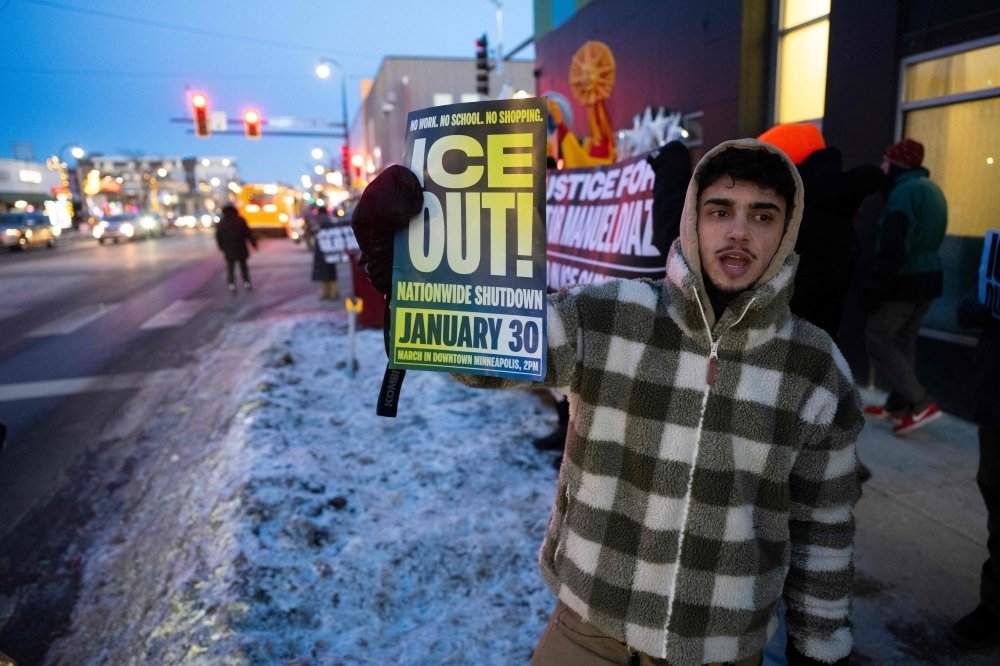
In Minneapolis, a loose but determined network of local activists has stepped into a risky role, quietly tracking the movements of federal immigration officers as raids unfold across the city. Armed not with weapons but with encrypted messaging apps and mapping tools, these volunteers are trying to ensure that arrests are witnessed, recorded, and publicly known.
The effort relies on real-time tips shared through encrypted platforms, where alerts flare up whenever unmarked vehicles or suspected Immigration and Customs Enforcement officers are spotted. Volunteers fan out across neighborhoods, often braving freezing temperatures, to confirm sightings and observe what happens next.
Chelsea Kane, a 37-year-old freelance software engineer and military veteran, is one of the organizers at the heart of the effort. While driving through the city, she and fellow volunteers routinely pull up near vehicles believed to belong to federal agents, carefully checking whether suspicions are real or simply everyday life unfolding.
In one instance, a black SUV thought to be linked to ICE turned out to belong to someone picking up food. Kane laughed it off, noting that false alarms are part of the job. For her, the point is not confrontation, but accountability.
Kane and her fellow spotters publicly share verified locations of immigration activity, hoping their presence can de-escalate tense encounters and create a record if something goes wrong. Many of the volunteers, including veterans and parents, say they feel morally compelled to act.
Sitting beside Kane during one such patrol was her neighbor, Carrie Thompson, a 45-year-old mother of two. She said the raids have fueled fear in communities of color, where residents worry they could be targeted simply because of how they look.
Federal officers, some masked and heavily armed, have been deployed in large numbers to Minneapolis, following similar operations in other major US cities. Officials say the raids have resulted in thousands of arrests, including some involving US citizens, prompting outrage from local leaders and residents in the traditionally Democratic city.
The Trump administration has accused the activists of obstructing law enforcement, while the FBI has confirmed it is reviewing the use of encrypted apps to coordinate these efforts. Kane strongly rejects claims of interference, saying the volunteers do not block officers or disrupt operations.
Their stated goal, she says, is documentation. Video footage and eyewitness accounts, activists argue, are critical in an era when official narratives can quickly dominate public perception.
Tensions escalated after several high-profile incidents, including the shooting of an undocumented man during an arrest and the detention of a young child. The deaths of two US citizens during encounters with federal agents further inflamed public anger, especially after early official statements were later challenged by video evidence.
In response to the backlash, the administration announced a partial pullback of personnel. But activists on the ground remain skeptical, insisting the change has done little to reduce the overall presence of agents.
Despite long shifts that can last up to eight hours, Kane says she does not resent the days filled with false leads. In fact, she welcomes them.
When nothing happens, no one is detained, and no family is separated, she considers it a victory. For these volunteers, the work is not about politics or publicity. It is about neighbors watching out for neighbors, believing that sometimes the most powerful act is simply to bear witness and refuse to look away.