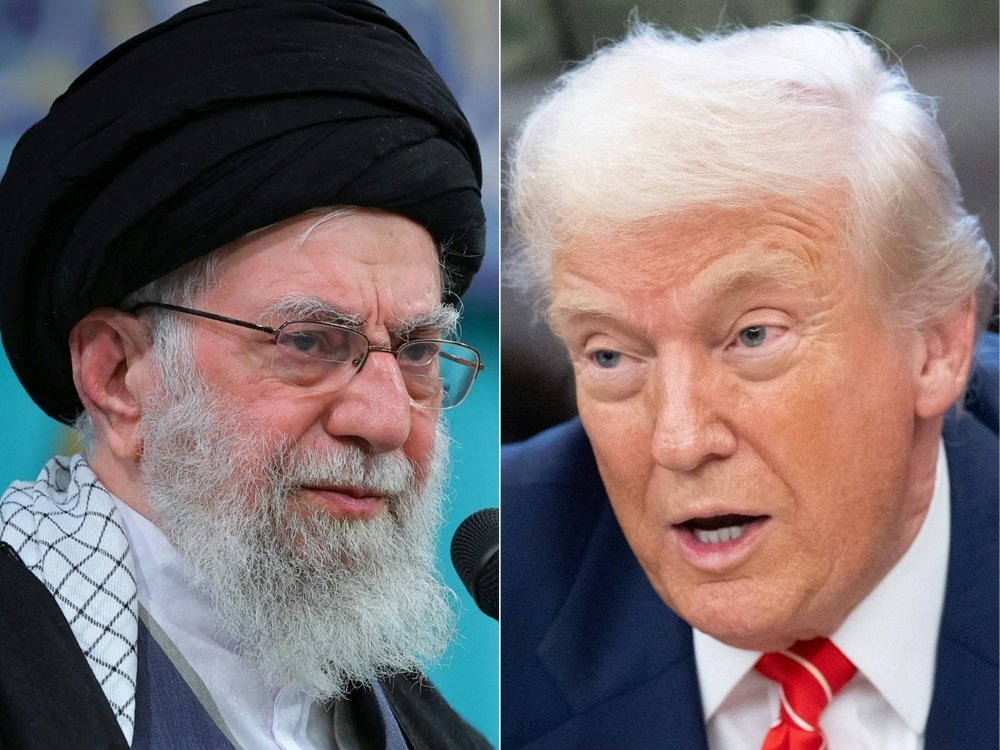
Iran and the United States confirmed Wednesday that nuclear talks will proceed in Oman later this week, easing earlier uncertainty over whether the high-stakes negotiations would take place at all. The announcement comes as President Donald Trump increased pressure on Iran’s supreme leader, Ayatollah Ali Khamenei, warning that he should be “very worried.”
Earlier reports had suggested that the talks might collapse due to disagreements over the venue and the format, fueling fears of renewed U.S. military action. Tensions in the region remain high following Iran’s violent crackdown on widespread protests—the most serious since the 1979 Islamic Revolution.
Iranian Foreign Minister Abbas Araghchi confirmed that the talks are now “scheduled” for Friday in Muscat, expressing gratitude to Omani officials for arranging the meeting. A White House official also confirmed the meeting would take place in Oman, despite earlier suggestions that Turkey might host the discussions.
The uncertainty stemmed in part from Iran’s insistence that its ballistic missile program remain outside the talks. Trump, however, has maintained a hardline stance, building up U.S. military presence in the region and refusing to rule out military action.
“I would say he should be very worried,” Trump told NBC News on Wednesday. He also claimed that Iran considered establishing a new nuclear facility following U.S. strikes on Iranian sites during Israel’s conflict with the Islamic Republic in June.
Trump added, “They were thinking about starting a new site in a different part of the country. We found out about it. I said, you do that, we’re going to do very bad things to you.”
The U.S. has deployed an aircraft carrier group, which Trump called an “armada,” and one of its planes recently shot down an Iranian drone. Iran has warned of retaliation if U.S. targets are attacked.
Secretary of State Marco Rubio emphasized that any talks must include Iran’s missile program, sponsorship of regional terrorist groups, nuclear activities, and human rights issues to be “meaningful.” He noted that U.S. envoy Steve Witkoff had been ready to meet in Turkey but received “conflicting reports” from Tehran.
Iran, which has consistently excluded its missile program from past negotiations, frames its ballistic weapons as self-defense tools, particularly capable of reaching Israel. The country faces mounting internal pressure from protests, regional military setbacks, and the loss of key allies such as Lebanon’s Hezbollah and Syria’s Bashar al-Assad.
As the world watches, these talks could mark a pivotal moment in a long-standing conflict, offering a chance for diplomacy amid rising tensions—or further escalation.