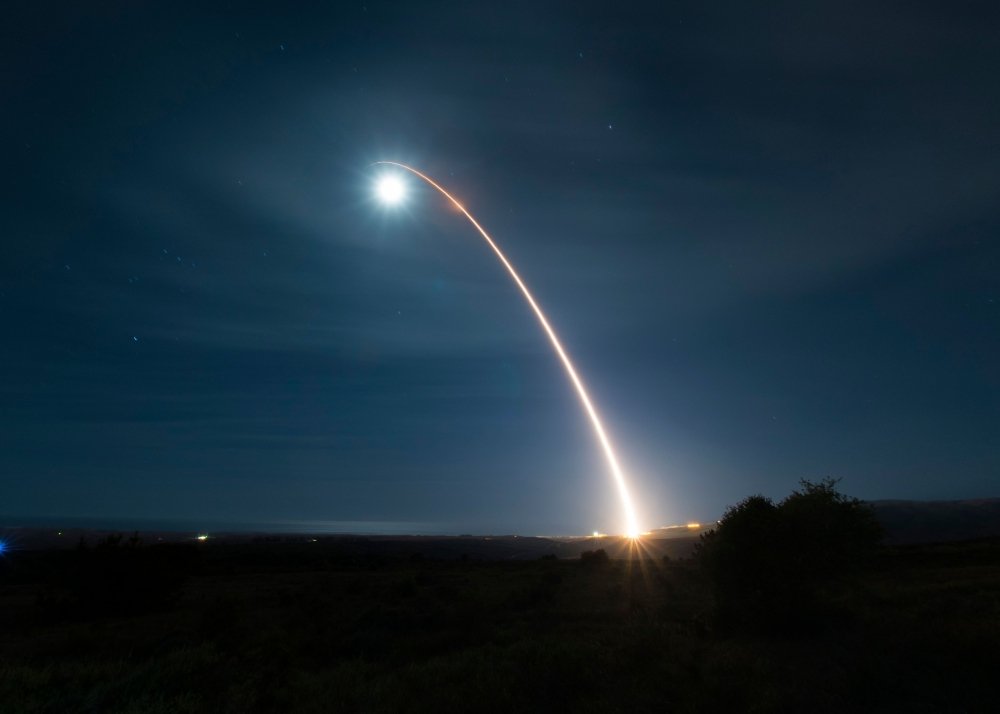
The last nuclear arms treaty between the United States and Russia officially expired on Thursday, ending decades of limitations on the number of strategic warheads both powers can deploy. The lapse has sparked serious concerns about a renewed global arms race.
The New START treaty, signed in 2010 during a period of warmer US-Russia relations, expired at midnight GMT on February 5. President Donald Trump did not follow up on Russian President Vladimir Putin’s proposal to extend the agreement for another year.
UN Secretary-General Antonio Guterres described the moment as “grave” for international peace and security, urging both nations to return to the negotiating table.
“For the first time in over half a century, we face a world without binding limits on the strategic nuclear arsenals of Russia and the United States,” Guterres said. “The risk of nuclear weapon use is the highest in decades.”
The warning comes amid concerns over Russia’s early discussions of tactical nuclear weapons during the conflict in Ukraine. Pope Leo XIV also emphasized that both countries must do “everything possible” to prevent a new arms race, calling for concrete and effective follow-up measures.
Russia stated that it no longer considers itself bound by any obligations under the treaty but stressed that it intends to act “responsibly and prudently,” while reserving the right to take “decisive” action if its national security is threatened.
Meanwhile, the US has repeatedly highlighted the importance of including China in any future arms control discussions. Former President Trump criticized international nuclear limits and expressed interest in resuming nuclear testing. Some experts suggest that the lapse of New START reflects administrative inaction rather than ideological reasons.
Trump once described Putin’s one-year extension proposal as “a good idea” but never pursued formal negotiations. Current US Secretary of State Marco Rubio emphasized that true 21st-century arms control must involve China, given its growing nuclear arsenal of roughly 550 strategic launchers.
Observers like Daryl Kimball of the Arms Control Association note that while engagement with China is critical, there is little evidence that the US actively pursued negotiations with Beijing since Trump’s return to office in 2025.
Under New START, both nations were limited to 1,550 deployed strategic warheads, a 30% reduction from previous limits. Joe Biden briefly extended the treaty for five years after his 2020 election win, but escalating tensions, especially over Russia’s invasion of Ukraine, have complicated ongoing arms control efforts.
The expiration of this treaty marks a pivotal moment for global security. Experts warn that without renewed dialogue and cooperative measures, the world edges closer to an era of unchecked nuclear competition, where even small miscalculations could have devastating consequences.
This moment reminds us that peace is fragile and requires constant vigilance, dialogue, and shared responsibility. Leaders, policymakers, and citizens alike must recognize the stakes and act decisively to prevent a future defined by fear rather than security.