In a dramatic turn in global trade politics, China has urged the United States to withdraw unilateral tariffs introduced by President Donald Trump after the US Supreme Court struck down several of his key trade measures.
In a narrow six-to-three ruling on Friday, the court determined that Trump did not have the authority under a 1977 law to impose sweeping tariffs on individual countries. The decision sent shockwaves across global markets, reshaping conversations around trade policy and presidential power.
However, the legal setback did not slow momentum in Washington. President Trump responded swiftly and sharply, announcing a new 10 percent global duty on imports under a different legal framework. Within a day, that figure was increased to 15 percent, with the new tariffs scheduled to take effect Tuesday and remain in place for 150 days, though certain products will receive exemptions.
China’s Response: “There Are No Winners in a Trade War”
China’s Ministry of Commerce stated that it is conducting a “comprehensive assessment” of the Supreme Court ruling and its broader implications. At the same time, Beijing called directly on Washington to reconsider its stance.
“China urges the United States to cancel its unilateral tariff measures on its trading partners,” the ministry said. It reinforced a familiar message: protectionism ultimately harms everyone, and trade wars create no real winners.
China’s foreign ministry echoed that sentiment, stating it is paying close attention to potential alternative strategies by the United States to maintain elevated tariff levels. Officials signaled that Beijing is prepared to respond decisively if its economic interests are threatened.
A Critical Moment Before Diplomatic Talks
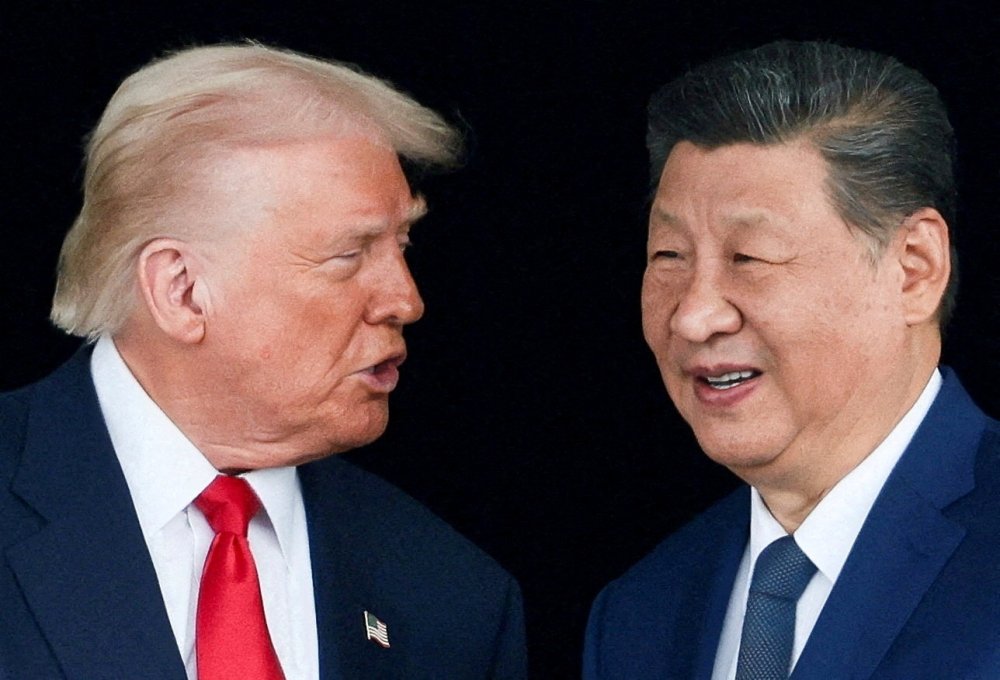
The timing is especially significant. President Trump is expected to visit China in the coming weeks, marking his first trip to the country during his second term. While US Trade Representative Jamieson Greer has indicated that a planned meeting between Trump and President Xi will not center on confrontation, the backdrop of escalating tariffs adds undeniable tension.
The Supreme Court’s decision represents a rare judicial setback for Trump on economic policy — an area that has defined much of his political identity. The ruling has been viewed as a major rebuke, particularly given that the court has often sided with him since his return to office.
Global Markets Watching Closely
Beyond the US-China relationship, several nations — including partners in Europe and Asia — are closely studying both the court ruling and the new tariff announcements. Trade stability remains fragile, especially as industries such as semiconductors face potential scrutiny.
In December, US trade officials signaled possible tariffs on China’s semiconductor sector after labeling certain Beijing practices “unreasonable.” While implementation has been delayed until June 2027, the possibility of sector-specific measures continues to create uncertainty.
Beijing previously condemned such moves, accusing Washington of using tariffs as tools to suppress Chinese industries rather than resolve trade disputes through dialogue.