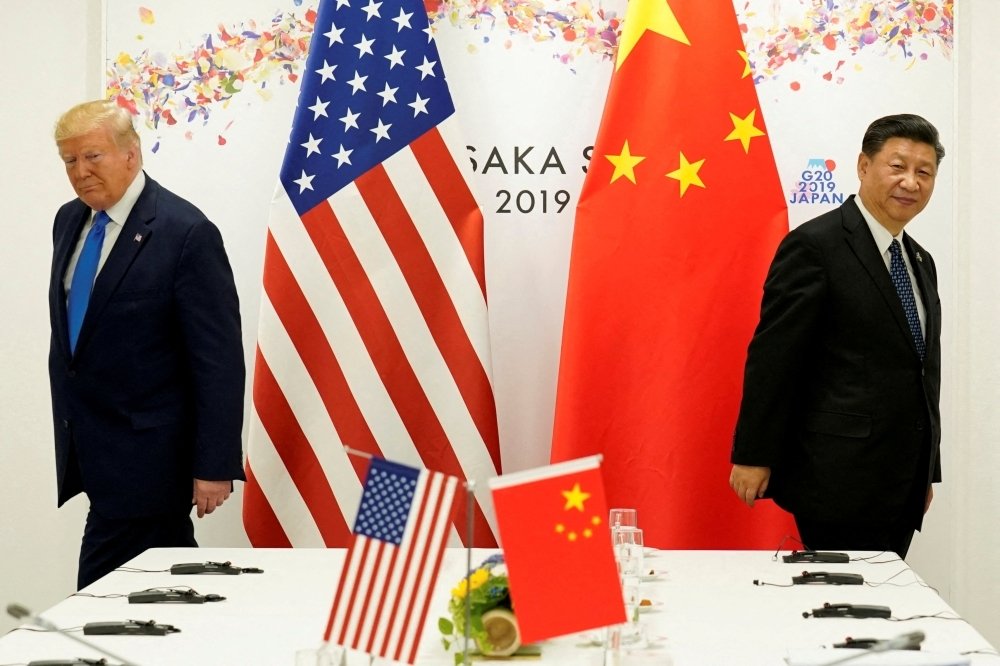
US and Iranian officials are set to meet this week for the first high-level talks since Iran’s deadly crackdown on nationwide protests, in a meeting that could shape whether the United States takes renewed military action against Tehran.
Iranian Foreign Minister Abbas Araghchi confirmed on Wednesday that nuclear talks with the United States are scheduled in Muscat on Friday morning, expressing gratitude to Oman for facilitating the arrangements.
While Tehran insists negotiations focus solely on the nuclear issue, Washington has signaled a broader agenda. Secretary of State Marco Rubio emphasized that for talks to be meaningful, they must address Iran’s ballistic missile program, support for regional militant groups, nuclear ambitions, and human rights abuses.
The United States has not confirmed the exact timing or agenda of the discussions.
What’s at Stake?
US-Iran relations remain tense, with former President Trump leaving the door open to military action should negotiations fail. This follows previous US attacks on Iranian nuclear sites during Israel’s June conflict with Tehran.
Trump stated in an NBC News interview, “I would say he should be very worried… they are negotiating with us.”
The US has deployed a naval battlegroup led by the USS Abraham Lincoln to the region, while Iran has warned of retaliation against US bases and vessels in the Middle East.
Rights groups report that thousands of protesters were killed in Iran’s recent crackdown, though the full scale remains unclear. Any American intervention could range from targeted strikes on military infrastructure to broader actions against the ruling clerical system, which has governed Iran since the 1979 Islamic Revolution.
Who’s Involved?
Iran will be represented by Araghchi, a veteran diplomat with deep experience in Tehran’s foreign ministry. The US delegation will be led by Trump’s Middle East envoy Steve Witkoff, a former real estate executive involved in multiple foreign policy efforts, including mediating Ukraine-Russia tensions.
Araghchi, fluent in English and trained in Islamic political thought at the University of Kent, is known for his patient and strategic negotiation style.
Objectives of Both Sides
The US initially urged Iran to halt its crackdown on protesters and refrain from executions. However, the focus has now shifted toward negotiating a new nuclear deal, addressing concerns over Iran’s ballistic missile program, and curbing its regional influence through proxy forces.
Iran, meanwhile, continues to insist that talks remain nuclear-focused, rejecting external pressures to discuss military or defensive capabilities.
Location and Dynamics of the Meeting
Though early reports suggested Turkey as a potential venue, the talks are now slated for Oman, reflecting the need for a neutral and discreet setting. Iranian officials prefer direct talks with the US, avoiding broader regional involvement.
Rubio stated, “If the Iranians want to meet, we’re ready. If they change their mind, we’re fine with that too.”
The Mood in Iran
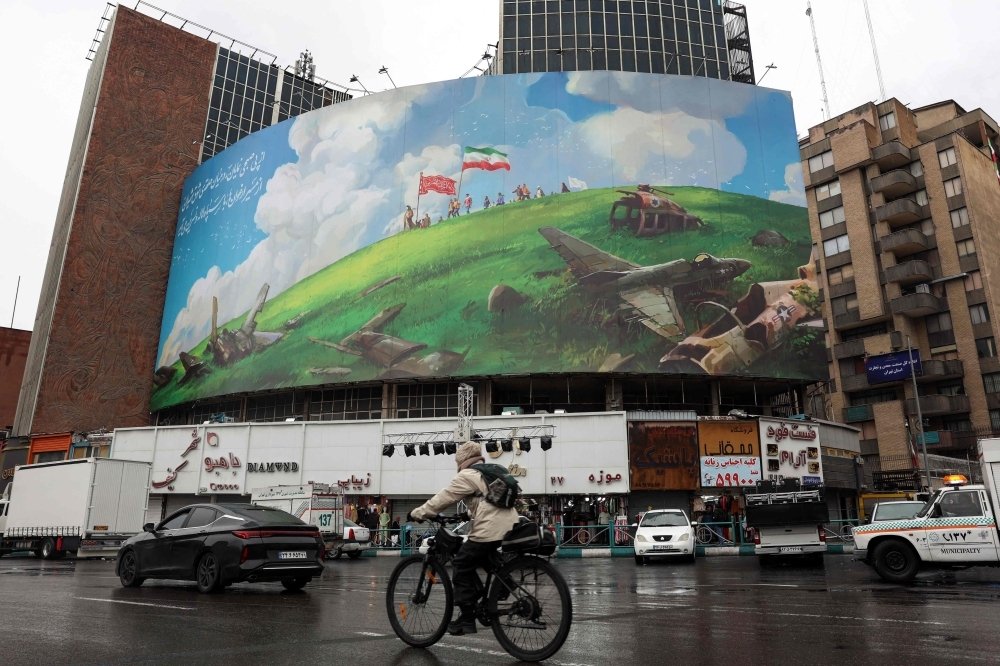
Iran is still grappling with the aftermath of the protest crackdown, which included a weeks-long internet blackout and mass casualties, according to human rights organizations. Public messaging and imagery in Tehran suggest an atmosphere charged with tension and defiance, including billboards depicting US planes crashed into hillsides under the Iranian flag.
As the world watches, this round of talks could either pave the way for cautious diplomacy or ignite renewed confrontation, leaving ordinary Iranians and Americans alike to hope for a peaceful outcome in a region long fraught with conflict.