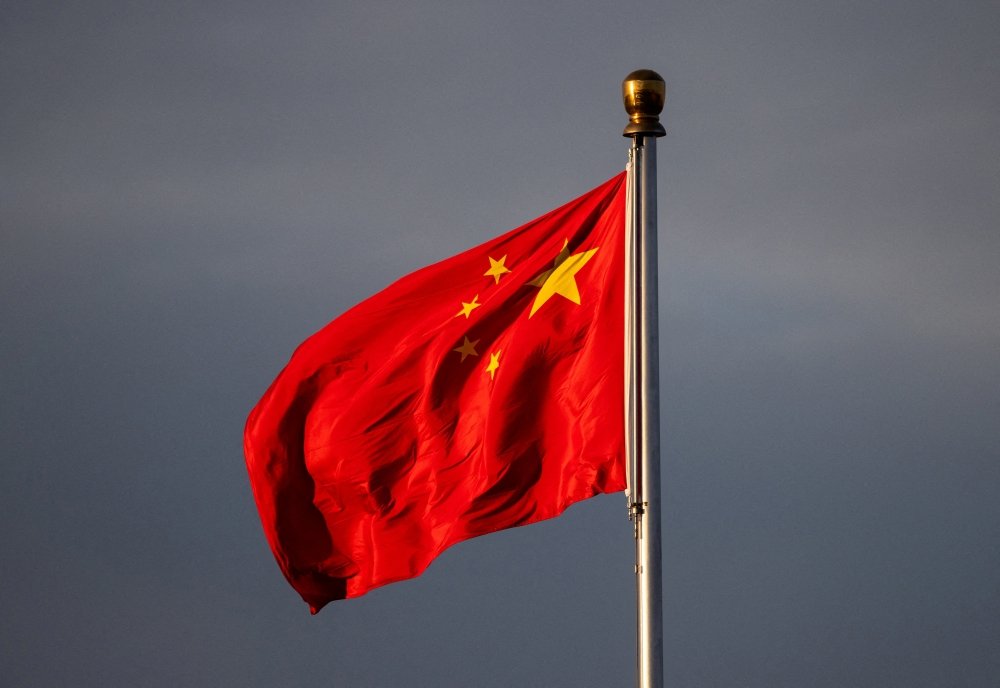
In a significant and carefully calculated move, China announced on Tuesday that it will impose export restrictions on 40 Japanese companies and organizations, citing national security concerns.
The decision is the latest chapter in a simmering dispute between Beijing and Tokyo that has grown increasingly tense since Japan’s Prime Minister, Sanae Takaichi, made remarks in November suggesting that Tokyo might intervene militarily if Taiwan were attacked.
What China Has Done
China’s Ministry of Commerce revealed that 20 Japanese entities — including major names like Mitsubishi and the Japanese space agency — will face export curbs. These companies will no longer be able to receive certain “dual-use” items from Chinese suppliers. Dual-use goods are products that can serve both civilian and military purposes.
Additionally, another 20 Japanese firms, including automotive maker Subaru, were placed on a “watch list.” This means trade officials will now scrutinize exports that could have potential military applications.
Beijing’s Position
In announcing the measures, China defended its actions, saying they were aimed at preventing Japan’s “remilitarisation” and nuclear ambitions. The commerce ministry described the restrictions as “legitimate, reasonable, and in line with international law.”
Beijing emphasized that the moves were not intended to disrupt normal economic or trade activities between the two countries. It also suggested that companies on the watch list may be removed if they comply with verification guidelines.
Japan’s Response
A Japanese trade official told news agency AFP that Tokyo is reviewing the impact of the export curbs and will respond appropriately once its analysis is complete.
Broader Strains on Relations
This latest development comes amid a backdrop of souring diplomatic ties:
-
Tourism from China to Japan, once a booming industry, has plummeted since November after Beijing warned its citizens against visiting.
-
Reports emerged that China had halted imports of Japanese seafood last year, shortly after resuming purchases following a prior ban related to Fukushima wastewater concerns.
-
Japan made headlines by returning its last two pandas to China in January — leaving the country without any giant pandas for the first time in half a century.
-
Earlier restrictions were placed on exports of rare earth materials and powerful magnets — items crucial in modern electronics and defense technologies.
Market Impact
Shares of several affected Japanese companies fell sharply following China’s announcement, reflecting how interconnected the economies are — even amid geopolitical tensions.