The United Nations has issued a stark warning: Gaza is not just suffering — its very survival is at stake. After years of conflict, restrictions, and now unprecedented devastation, the Palestinian territory faces an economic and humanitarian collapse unlike anything seen in generations.
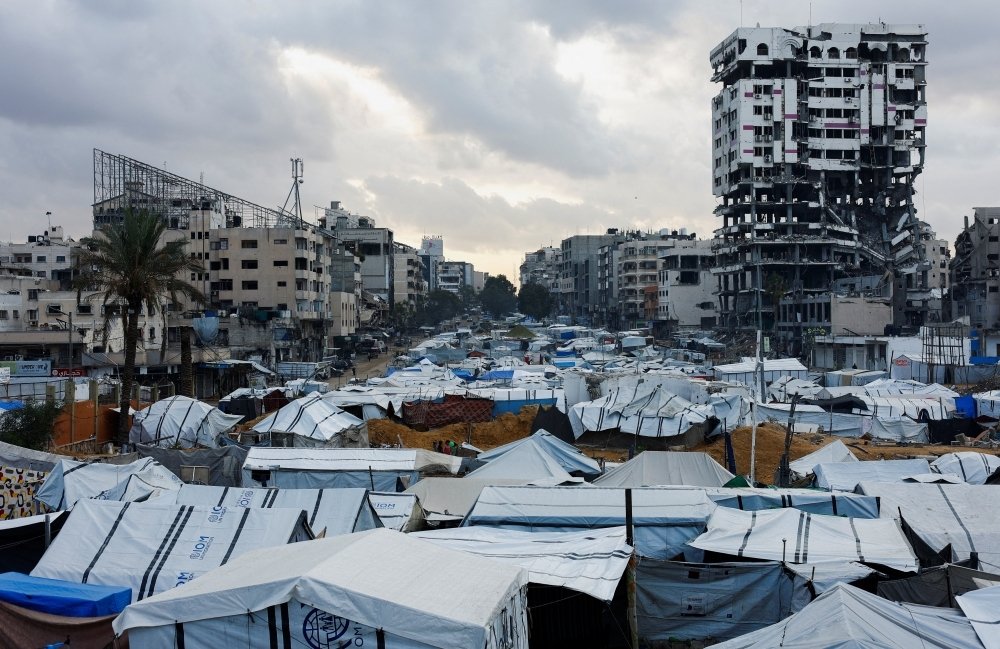
A new report from the UN Trade and Development Agency (UNCTAD) reveals the overwhelming scale of destruction. Rebuilding Gaza will require more than US$70 billion (RM289.6 billion) and could stretch across several decades. The agency describes a territory where every essential pillar — food access, shelter, healthcare, clean water, employment — has been systematically shattered.
UNCTAD’s report states that Gaza has been “plunged into a human-made abyss,” questioning whether the strip can remain a liveable home for its people. Its findings paint a picture of a society fighting to exist amid extraordinary loss.
The crisis traces back to Hamas’s October 2023 attack on southern Israel, which killed 1,221 people and triggered a devastating two-year war. Israel’s retaliatory military campaign has since killed over 69,000 Palestinians, according to health ministry figures the UN considers credible.
The destruction has unleashed what UNCTAD calls “cascading crises” — humanitarian, economic, social, and environmental — pushing Gaza from hardship into near-total ruin. Even with optimistic projections of massive international aid and double-digit economic growth, Gaza would still need decades just to regain its pre-2023 living standards.
To prevent total collapse, the UN is urging the world to back a comprehensive recovery plan, including coordinated global assistance, restored fiscal transfers, and the easing of restrictions on movement, trade, and investment. The agency also recommends introducing a universal emergency basic income for Gaza’s population — a renewable cash lifeline for people who have lost everything.
Between 2023 and 2024, Gaza’s economy contracted by a staggering 87 percent, leaving its GDP per capita at just US$161, one of the lowest figures on the planet. The West Bank, while less devastated, is also suffering from violence, settlement expansion, and movement restrictions, resulting in its worst economic decline in more than 50 years.
At its core, this report is not just about numbers — it is about people.
Families who no longer have homes. Children who wake up to hunger. Communities struggling to hold onto hope. The UN’s message is clear: Gaza’s future depends on what the world chooses to do next.
This is a call to humanity — a plea not to look away.