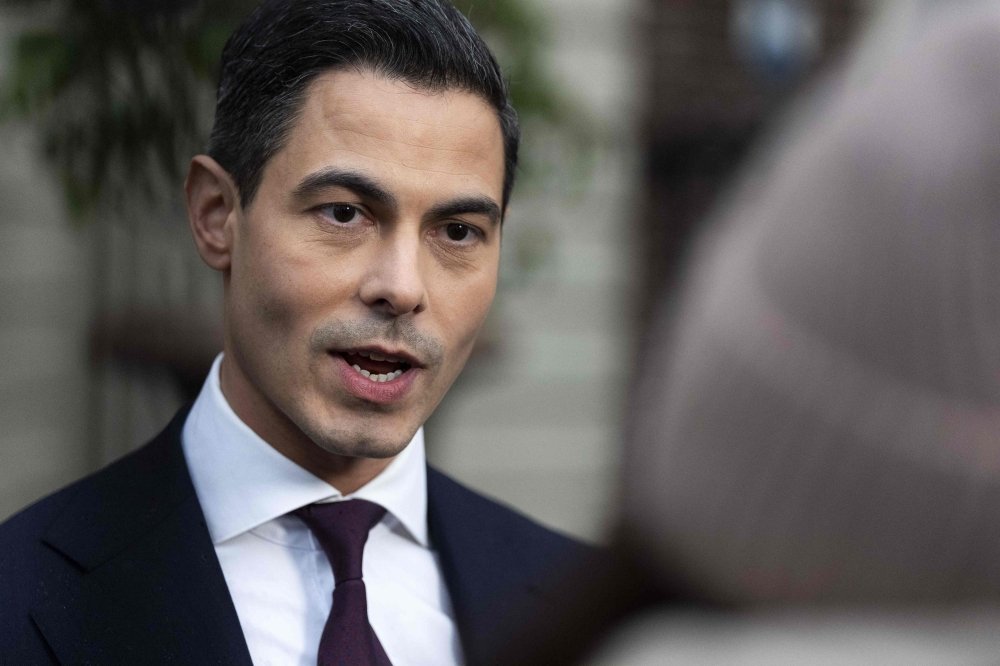
The Netherlands steps into a new political chapter today as 38-year-old Rob Jetten is officially sworn in as the country’s youngest-ever prime minister — and the first openly gay leader in Dutch history.
At the heart of The Hague, a sense of change fills the air. What began as a tightly contested election in October has evolved into a defining moment for Dutch politics. Jetten, leader of the centrist D66 party, staged a remarkable comeback, narrowly defeating the far-right Freedom Party (PVV) led by Geert Wilders.
The snap election was triggered after the PVV withdrew from the previous coalition government — the most right-wing administration the Netherlands had seen in recent years — which collapsed after just 11 months.
A Coalition Built on Balance
Jetten’s D66 joined forces with the centre-right CDA and the liberal VVD to form a new coalition government. Together, they secured 66 parliamentary seats — nine short of a full majority. While not dominant, the alliance was formed relatively swiftly, taking 117 days compared to the 223 days required to build the previous government.
Jetten campaigned on optimism, unity, and a renewed European vision. Following his victory, he boldly stated that populist movements can be defeated “if you campaign with a positive message for your country.”
Throughout his campaign, he emphasized the importance of reconnecting the Netherlands with Europe, declaring that without European cooperation, the nation risks isolation. The coalition’s manifesto reaffirmed full support for Ukraine and a commitment to NATO defence spending.
A Government with a Right-Leaning Edge
Despite being viewed as more moderate than its predecessor, political analysts say the new coalition still carries a right-leaning character. Budget discipline is central to its agenda, with plans for spending cuts rather than running deficits to fund investments.
Migration policy remains firm. The coalition has pledged to continue tightening immigration rules, including stricter family reunification measures. Social benefits, including unemployment support, are also expected to be reduced to finance military and defence priorities.
Because the coalition lacks a majority, it will depend on opposition support to pass legislation — potentially slowing down major reforms.
Wilders and the Shifting Political Landscape
Geert Wilders’ PVV experienced a sharp decline in support. After winning 37 seats in 2023, the party dropped to 26 seats following what many observers described as an underwhelming campaign. Although the PVV finished second, coalition parties had ruled out working with Wilders, leaving him politically isolated.
Meanwhile, other right-wing parties gained traction. The Forum for Democracy secured additional seats with strong anti-immigration and anti-EU messaging, and JA21 also climbed in the rankings, though it was ultimately excluded from coalition negotiations.
The Swearing-In Ceremony
Rob Jetten and his cabinet will be formally sworn in by King Willem-Alexander at Huis Ten Bosch in The Hague — a ceremonial moment that marks both continuity and transformation in Dutch leadership.