As high-stakes diplomacy resumes in Geneva, tensions between the United States and Iran are once again under the global spotlight. US President Donald Trump has issued a pointed warning to Tehran, cautioning of potential consequences should negotiations fail to produce a meaningful agreement.
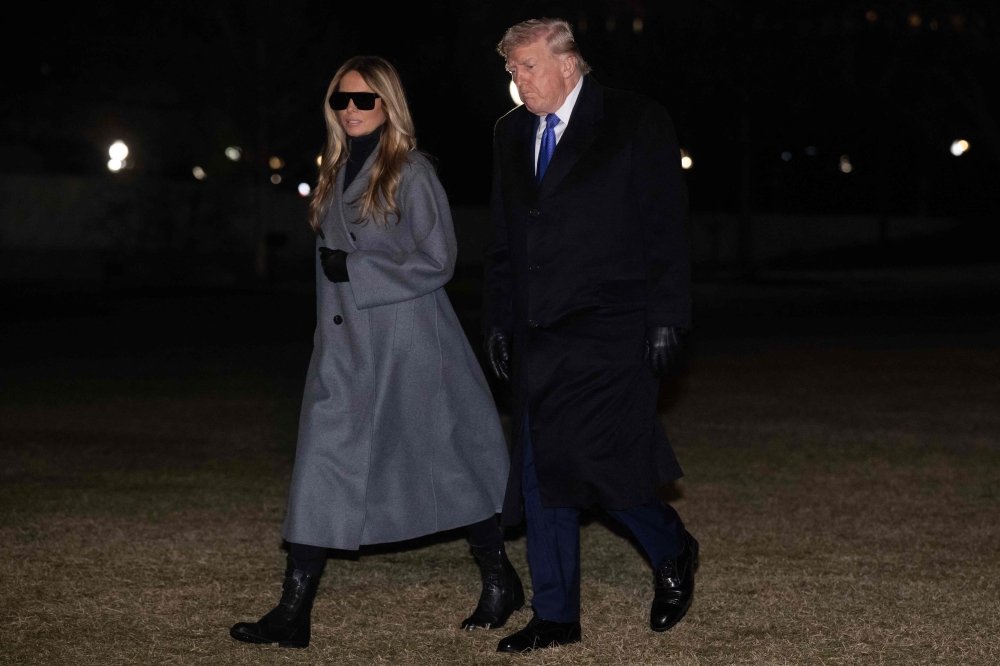
Speaking to reporters aboard Air Force One en route to Washington, Trump made it clear that while he may not be physically present at the negotiating table, he remains closely engaged.
“I’ll be involved in those talks, indirectly,” he said, underscoring the importance his administration places on the outcome. He added, “I don’t think they want the consequences of not making a deal.”
The renewed dialogue, mediated by Oman, comes at a fragile moment. It follows months of escalating rhetoric and mounting regional tensions. Previously, Trump had warned of possible military action against Tehran—first in response to Iran’s crackdown on anti-government protests, and more recently over concerns surrounding its nuclear programme.
Western nations, including the United States and several European allies, have long expressed fears that Iran’s nuclear activities could be aimed at developing a nuclear weapon. Tehran has consistently denied these allegations, maintaining that its programme is strictly for peaceful purposes.
Beyond nuclear issues, Washington has signaled its intention to broaden discussions to include Iran’s ballistic missile development and its backing of armed groups across the Middle East—matters it views as destabilizing to regional security.
In a notable shift, Iran’s foreign ministry stated earlier this week that the US position on the nuclear issue appears to have moved toward what it described as a “more realistic” stance. Whether this signals genuine progress or simply diplomatic positioning remains to be seen.
The shadow of past conflict looms heavily over these negotiations. A previous diplomatic effort collapsed dramatically when Israel launched surprise strikes on Iranian targets, igniting a 12-day war that ultimately drew in Washington. US forces subsequently bombed Iranian nuclear sites, pushing tensions to the brink and hardening positions on both sides.
Now, as talks resume in Geneva, the stakes could hardly be higher.
But beyond geopolitics, beyond missiles and uranium enrichment levels, there are real human lives tethered to these decisions. Families across the Middle East, soldiers on alert, young Iranians hoping for economic relief, and American citizens weary of another potential conflict all stand to be affected. Diplomacy, in moments like this, is not just strategy—it is responsibility. The outcome of these talks could either open a door to stability or deepen uncertainty in a region that has already endured decades of turmoil.
The world watches Geneva closely, aware that what happens at the negotiating table may shape the next chapter of US–Iran relations—and the broader future of Middle Eastern security.